Old School Magazines: Exploring the Rich History of Yearbooks and School Publications
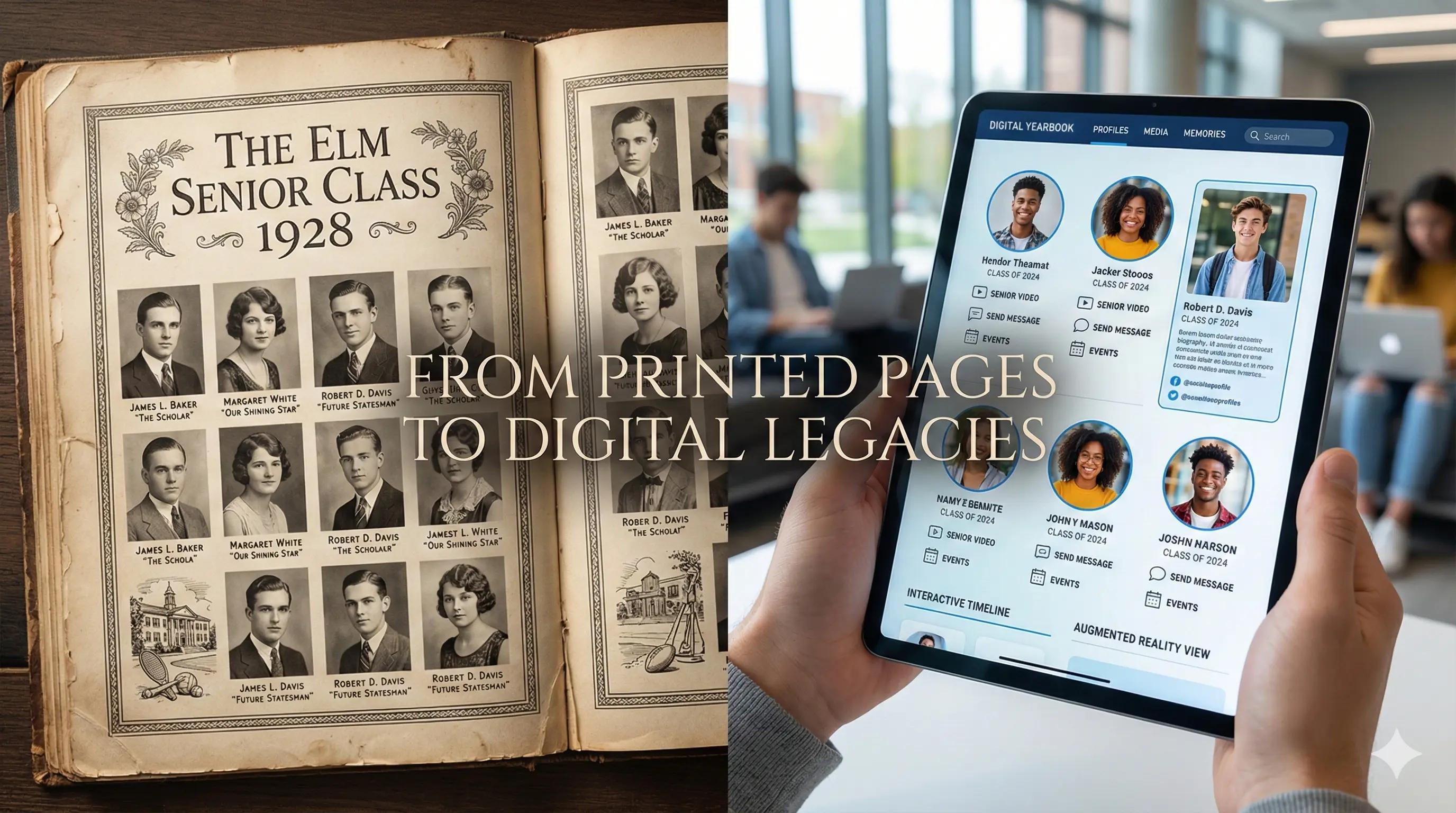
School yearbooks and old magazines are far more than bound collections of names and faces — they are living time capsules that breathe life into the memories, milestones, and spirit of educational communities across generations. From the earliest college annuals of the 1880s to the richly detailed productions of the mid-20th century, these publications have quietly stitched together lasting bonds between students, alumni, and the institutions that shaped them.
The story of high school yearbooks and magazines runs parallel to the broader history of print technology and evolving educational culture. Understanding that journey helps us truly appreciate why these publications matter so deeply — and why the digital tools available today carry such responsibility in keeping those traditions alive.
Where It All Began: The Birth of School Yearbooks
Yearbooks started gaining real momentum in American schools during the late 19th century. The earliest known example traces back to Yale University in 1806, though at that point it was little more than a basic student roster rather than the vivid, story-rich publication we recognize today. By around 1885, colleges and universities had begun producing far more ambitious annuals — filled with student photographs, class details, and campus life accounts.
Even back then, creating a yearbook was no small feat. Without modern printing technology, student committees spent months gathering information, coordinating with photographers, and working with printers just to produce something that graduates could hold onto and treasure. The dedication involved was remarkable.
As the late 1800s gave way to the early 1900s, yearbooks evolved from simple class lists into sweeping chronicles of institutional life. They started including formal senior portraits, documentation of campus clubs and organizations, athletic team photos with season summaries, literary contributions from students, decorative artwork and illustrations, profiles of faculty and administrators, and coverage of campus events and social gatherings.
The Golden Age: When School Magazines Were at Their Best
The period stretching from the 1920s through the 1960s is widely considered the golden age of high school yearbooks and school magazines. During these decades, these publications reached their creative and cultural peak, becoming genuinely important artifacts within educational communities.
How Design and Content Evolved
As printing capabilities improved, yearbooks became increasingly polished and ambitious. Schools began competing to produce the most impressive volumes, and several key developments shaped this era.
Photography was transformed as professional photographers were brought in not just for formal portraits but to capture candid, real moments — action shots from athletic events, behind-the-scenes glimpses of theatrical productions, and genuine slices of student social life. Graphic design also emerged as a major force, with yearbook teams experimenting boldly with page layouts, typography, and visual storytelling to make each volume feel like a unique artistic work. Coverage expanded too, so that no club was considered too small and no event too minor to be left out of the historical record.
The significance placed on these publications reflected how central they were to preserving institutional memory. Before social media, digital cameras, or home video, the yearbook was the definitive, authoritative record of each school year.
It's worth noting that modern interactive touchscreen displays continue this spirit of celebration, giving schools dynamic new ways to honor their history while staying connected to these important roots.
Student Literary Magazines
Running alongside yearbooks, many schools also published literary magazines that gave students a creative outlet of their own. These publications featured original poetry and short stories, essays tackling contemporary issues, student artwork and illustrations, commentary on school and world events, and serialized fiction from talented young writers.
Literary magazines allowed students interested in journalism, creative writing, and publishing to take bigger creative risks than yearbooks typically permitted. They often tackled controversial subjects in their high school yearbooks and experimented with unconventional styles. Many writers and journalists who later became well known got their very first bylines in their school's literary magazine.
Behind the Scenes: What It Actually Took to Make a Yearbook
Understanding the production process behind old school magazines gives us genuine respect for the commitment involved. Creating a high school yearbook was a year-long effort requiring dozens of students working across many different roles.
How Yearbook Teams Were Structured
A well-run high school yearbook program depended on clear roles and strong organization. The Editor-in-Chief oversaw the entire high school yearbook project, making final calls on content, design, and editorial direction. Section editors managed specific areas such as academics, athletics, student life, and senior portraits. Photographers worked throughout the year capturing thousands of images, requiring both technical skill and an instinct for meaningful moments. Writers and copy editors crafted captions, profiles, and feature articles while maintaining consistent style and grammatical accuracy. Layout artists designed every page of the high school yearbook, often using physical paste-up techniques long before desktop publishing existed. Business managers handled advertising sales, budgets, and distribution.
The skills students developed through this work — project management, graphic design, writing, photography, and collaboration — served them well for years afterward. Many schools formally recognized yearbook participation as an achievement worthy of honors alongside athletic and academic accomplishments.
The Real Challenges of Old-School Production
Before digital technology changed publishing forever, putting together a yearbook involved overcoming serious technical hurdles. Editors created full mockup dummy books using paper, scissors, and adhesive to map out every page before production. Every photograph had to be professionally developed, printed, and prepared for reproduction, especially in high school yearbooks. Full-color printing was expensive, so most yearbooks relied on black and white with only occasional color sections for special pages. Multiple rounds of proofreading were critical because fixing errors after printing plates were made was prohibitively costly. Deadlines were absolute — missing a printer's schedule could mean yearbooks arriving after graduation or even the following fall. And budget constraints meant creative problem-solving and heavy reliance on advertising sales just to make the high school yearbook numbers work.
Facing the Challenges: Decline and Transformation
Starting in the 1990s and picking up speed through the 2000s, traditional school yearbooks and magazines faced mounting pressure. Between 1995 and 2013, the number of colleges producing yearbooks fell from roughly 2,400 to around 1,000. Several forces drove this shift.
Technology Changed Everything
Digital photography and the rise of social media fundamentally altered how people document and share their lives. Students started questioning the value of a printed yearbook when they already had thousands of digital photos on their phones and constant documentation of school events flowing through social media platforms.
The instant nature of digital media stood in sharp contrast to yearbooks that wouldn't arrive until months after the school year had ended. By the time graduates held their copy, the contents often felt behind the times compared to the constant stream of updates they'd already experienced online.
Financial Pressures Mounted
Schools faced growing budget constraints across the board. Yearbook programs, which required meaningful investment in photography, printing, and staff support, became easy targets for cuts, especially in colleges and universities. The traditional funding model — blending student fees, advertising sales, and institutional backing — grew harder to sustain as local businesses pulled back on print advertising and families pushed back against additional costs.
Student Priorities Shifted
Participation in high school yearbook production dropped as students found new creative outlets online. The significant time commitment required to work on a yearbook staff competed with heavier academic workloads, more extracurricular options, and the immediate appeal of digital content creation that could reach audiences right away.
A New Chapter: The Digital Renaissance of School Publications
Rather than fading away entirely, school publications are experiencing a genuine revival through digital transformation. Schools with forward-thinking approaches are finding that digital platforms don't replace the high school yearbook tradition — they deepen and broaden it in genuinely exciting ways.
What Modern Digital Yearbook Solutions Offer
Today's digital yearbook platforms address the shortcomings of traditional print while staying true to the core purpose of building meaningful connections and lasting memories.
Multimedia integration means that digital yearbooks can now include videos, audio clips, and interactive elements that bring memories to life in ways print simply cannot match. A graduating senior's profile might feature video clips from performances, audio recordings from recitals, and photo galleries spanning their entire time at school. Real-time updates mean that rather than waiting for year-end publication, digital platforms allow content to be added continuously throughout the academic calendar, keeping students engaged as events actually happen.
Enhanced accessibility allows digital yearbooks to be viewed from anywhere, bringing in alumni, distant family members, and community supporters who can now participate in celebrating student achievements no matter where they are. Interactive features like comments, likes, and social sharing create ongoing engagement rather than a single moment of flipping through printed pages. And permanent preservation means that while physical yearbooks yellow and deteriorate, properly backed-up digital content can be maintained indefinitely, enabling schools to build comprehensive historical archives spanning entire decades.
Interactive touchscreen technology also allows schools to create engaging displays that showcase yearbook content, athletic achievements, and institutional history in high-traffic areas where students, alumni, and visitors naturally spend time. These installations create organic opportunities for people to encounter and connect with school history, making the past feel relevant and immediate to current students.
The Case for Hybrid Approaches
Many schools are discovering that the smartest path forward blends digital and print elements in thoughtful ways. Limited print runs allow schools to produce smaller quantities for purchase by those who genuinely want a physical copy while making digital versions, such as PDFs, freely available to everyone. Print-on-demand technology means that graduates can order a personalized printed copy years after graduation without schools needing to maintain large inventories. Some institutions create special commemorative print editions for milestone anniversaries or specific graduating classes while maintaining digital platforms for regular ongoing documentation. QR codes printed in physical materials can link directly to digital content, creating a natural bridge between the two worlds.
Honoring History Through Recognition Displays
Beyond yearbooks themselves, schools are finding creative ways to honor the traditions and achievements documented in old school magazines through permanent recognition installations that live in the physical spaces of the institution.
Digital Recognition Walls as Living Tributes
Interactive digital recognition walls serve as living tributes to school history, blending elements of traditional yearbooks with modern technology. These installations typically feature alumni achievement showcases that profile distinguished graduates — often drawing on historical yearbook content — so current students can see the long-term impact of their school experience. They document athletic excellence through comprehensive coverage of team championships, individual records, and outstanding performances that might originally have appeared in a yearbook's sports section. Interactive historical timelines show how an institution has evolved, highlighting significant events and community growth across decades or even centuries. Donor recognition connects generous supporters to broader narratives about school history and values. And academic honors celebrations put scholarly achievements, award recipients, and academic milestones front and center as expressions of the institution's core educational mission.
These installations work particularly well in entrance areas, alumni centers, athletic facilities, and other naturally high-traffic locations. They become focal points for community gatherings and give returning alumni a tangible, emotional connection to their school.
Why Physical Recognition Spaces Still Matter
Even with all the advantages digital solutions offer, physical recognition spaces provide something uniquely valuable. A substantial physical installation communicates genuine institutional commitment to honoring excellence in a way that a library of yearbooks collection simply cannot. Recognition walls become natural gathering points where community members congregate, share stories, and strengthen their connections with one another. Touchscreen interfaces offer a satisfying, tactile experience that creates memories distinct from ordinary web browsing. Unlike online content that requires someone to actively seek it out, a physical display is encountered naturally as people move through the building, creating consistent touchpoints with institutional values and history. And there is something genuinely powerful about seeing your name, your photograph, or your achievements displayed in a physical space that digital recognition alone cannot replicate, especially in a high school yearbook.
What History Teaches Us: Lessons from School Publications
The full arc of high school publications offers valuable insight for educators and administrators thinking about how to maintain meaningful traditions in a digital era, particularly with online yearbooks.
Community and Connection Are What Matter Most
The real purpose of yearbooks and school magazines was never about the physical object itself — it was about creating connections between individuals and their institution. The most successful modern solutions recognize this core truth and design around it, whether they use print, digital, or hybrid approaches. Schools that focus on fostering genuine community engagement succeed regardless of the format they choose. Those that treat high school yearbooks as just a product to manufacture and distribute often find themselves struggling to stay relevant.
Student Voice and Active Participation Are Non-Negotiable
Historical school publications thrived when students had meaningful roles in creating them and felt genuine ownership over the results. That principle applies just as strongly to modern platforms. Digital solutions that treat students as passive consumers miss the powerful opportunity to develop leadership, creativity, and institutional connection that comes from active participation. Successful programs find ways to involve students in content creation, curation, and presentation — whether through journalism classes, dedicated yearbook programs, or broader participation opportunities.
Balancing Tradition with Innovation
Schools navigating this transition most successfully respect the traditions that yearbooks represent while embracing innovations that genuinely enhance rather than simply replace those traditions. They ask themselves how to preserve the sense of permanence and significance that yearbooks historically provided, which aspects of the traditional experience are worth maintaining, where digital tools can genuinely improve on historical approaches, and how to ensure all community members feel included rather than just the most tech-savvy.
Documentation Creates Lasting Value
Old school magazines that have survived become more valuable with each passing decade. Alumni treasure their high school yearbooks as irreplaceable connections to formative years. Researchers use high school yearbooks to understand educational history and social change. Institutions reference them when commemorating anniversaries and milestones. This enduring value should inform every decision about how schools document their communities today. Whatever systems are implemented should be built to preserve content for decades, not just a few years.
Looking Ahead: The Future of School Publications and Recognition
Several meaningful trends are shaping how schools and colleges and universities will document their communities and celebrate achievements in the years ahead.
Artificial Intelligence and Smarter Automation
AI technologies are making comprehensive documentation more achievable with less manual effort. Automated photo tagging, smart content organization, and AI-assisted layout design can help smaller yearbook teams accomplish work that once required large committees. However, these tools work best as supports for human judgment and creativity rather than replacements for them. The most successful approaches use AI to handle routine tasks, freeing students to focus on storytelling, design, and creating genuinely meaningful content.
Personalization at Scale
Digital platforms make unprecedented personalization possible for high school yearbooks online. Rather than everyone receiving an identical high school yearbook, systems can create customized experiences based on individual interests, activities, and social connections. A student athlete might see expanded coverage of their teams, while a theater enthusiast gets deeper performing arts content. This personalization needs to be balanced thoughtfully against the communal dimension of yearbooks — the shared experience of an entire school community seeing itself through common documentation.
Immersive Technologies on the Horizon
Virtual and augmented reality technologies open intriguing possibilities for experiencing school history in entirely new ways. Imagine alumni using VR to virtually walk through their old campus exactly as it appeared during their student years, or current students using AR to see historical images layered over the physical spaces they occupy today. Interactive display technology continues advancing steadily, creating increasingly engaging ways to present high school history and achievements in the physical world.
Environmental Responsibility
Sustainability concerns are increasingly influencing decisions about printed materials, including high school yearbooks. Digital solutions offer clear environmental advantages by eliminating paper consumption, though this must be weighed against the energy demands of digital infrastructure and the environmental cost of hardware. Some schools are finding a thoughtful middle ground through sustainably printed limited editions that use recycled materials and environmentally responsible production methods, while also considering yearbooks online.
Accessibility and True Inclusion
Modern solutions are paying much more careful attention to accessibility, ensuring that school documentation and recognition programs genuinely serve all community members. This means building in visual accessibility features for users with visual impairments, offering multilingual content for diverse communities, designing mobile-friendly platforms that work reliably across all devices, reflecting the full diversity of student populations in the content itself, and ensuring financial accessibility so that no family is excluded based on economic circumstances.
Practical Steps for Schools Ready to Move Forward
For schools thinking about how to honor their traditions while embracing contemporary possibilities like online yearbooks, a few practical principles can guide the path forward.
Starting with a genuine assessment of community needs and values is essential. That means surveying students, alumni, faculty, and other stakeholders to understand what aspects of traditional yearbooks they value most, how they currently engage with school history and memories, what barriers exist to greater engagement, and what would make recognition programs feel more meaningful to them. This research ensures that solutions actually align with real community needs rather than assumptions.
From there, schools benefit from defining clear objectives — whether that means strengthening alumni engagement, building school spirit among current students, documenting institutional history comprehensively, celebrating diverse achievements, or creating physical gathering points that foster community. Clear goals make it possible to evaluate whether initiatives are actually delivering value.
For most schools, a hybrid approach will prove most effective, combining digital platforms for continuously updated comprehensive content, interactive physical displays in high-traffic locations, limited print options for those who want physical mementos, mobile apps that extend access beyond campus, and digital record boards that celebrate athletic achievements. This layered approach serves different segments of the community effectively.
Planning for long-term sustainability matters enormously too. That means choosing digital platforms with strong track records and clear migration paths, developing funding models that don't depend entirely on annual student fees or fundraising drives, ensuring adequate staffing and training with plans for knowledge transfer as leadership changes, and developing strategies to digitize and integrate historical yearbooks so that comprehensive archives spanning the institution's full history can be built over time.
Closing Thoughts: Honoring the Past While Embracing What's Next
Old school magazines and yearbooks represent a genuinely rich tradition of documenting, celebrating, and preserving the experiences that make educational communities special. From the earliest college annuals to the elaborate productions of the mid-20th century, these publications created connections that have lasted entire lifetimes.
While the formats are clearly changing, the fundamental purpose is as relevant and important as it has ever been. Today's digital solutions and interactive recognition displays don't replace the yearbook tradition — they extend and deepen it, making it more accessible, more engaging, and more comprehensive while staying true to the essential goal of honoring achievement and strengthening community.
The schools navigating this transition most successfully are those that approach it thoughtfully, respecting what past generations valued while genuinely embracing the innovations that serve contemporary communities better. They understand that whether the content lives on printed pages, interactive touchscreens, or mobile devices, what truly matters is creating meaningful recognition that strengthens the bonds between individuals and their institutions.
By drawing on the lessons of school publication history while implementing modern solutions like interactive recognition displays and digital documentation platforms, schools can ensure that future generations have the same opportunity to celebrate achievements, preserve memories, and maintain connections to their educational communities that yearbooks have provided for well over a century.
The tradition continues — enriched by new possibilities, but still rooted in the timeless human need to be recognized, remembered, and connected to something larger than ourselves.