Beyond Print: Bringing Your School Yearbook into the Digital Age
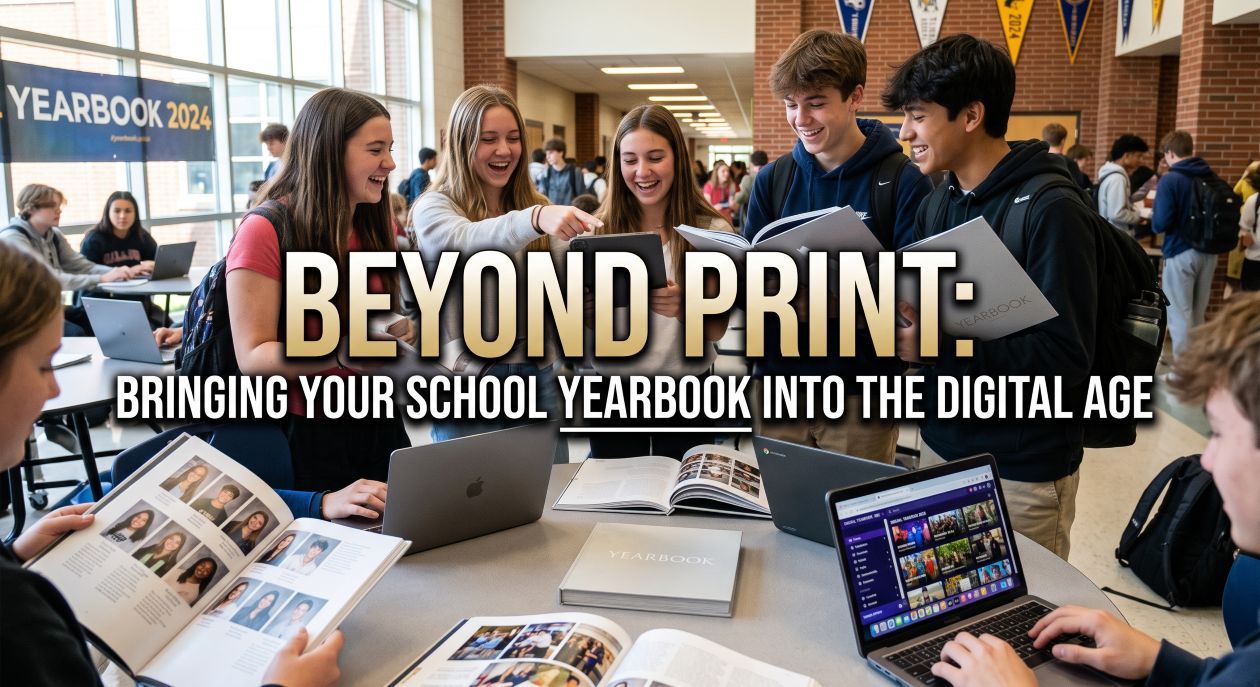
Few keepsakes carry the emotional weight of a traditional school yearbook. From that very first elementary school album to the milestone volumes of middle school and high school, these bound pages freeze formative moments in time. They hold the triumphs of every sport season, the dedication of the yearbook staff, candid portrait snapshots, and every heartfelt sign or signature jotted in the margins on the final day of term.
Yet, physical volumes face serious obstacles over the decades. Personal copies vanish during moves, pages yellow, bindings snap, and historical collections remain locked away behind archive doors. Today, the yearbook industry is evolving. By bridging tactile traditions with interactive technology, schools, alumni, and communities are discovering new ways to preserve, explore, and celebrate their shared history forever.
The Preservation Challenge of Traditional Print
For generations, yearbook publishing centered entirely around physical print. The routine was familiar: a dedicated teacher or student editor would guide the creation process, oversee page layout, run marketing drives to boost yearbook sales, and manage tight submission windows so the volume met its delivery turnaround deadline. Parents purchased yearbook ads to dedicate space to their children, ensuring a one-of-a-kind publication arrived before summer break.
While physical print holds undeniable tactile charm, relying solely on paper creates significant accessibility issues:
- Physical Isolation: Historic volumes often remain tucked away in an administrative office or restricted library archive, accessible to only one researcher at a time.
- Geographic Barriers: Alumni who relocate across the country or overseas cannot simply drop in to revisit their graduating class memories.
- Environmental Decay: Flooding, humidity, fire, and simple age degrade delicate paper, fading every vintage photo beyond recognition.
- The Lost Archive Dilemma: Once old yearbooks are lost or discarded, entire eras of campus life vanish, leaving alumni without any route to reconnect.
When physical access disappears, community engagement fades with it. Connecting alumni to their past strengthens institutional identity and supports future growth, yet static physical copies rarely reach the people who cherish them most.
Transforming History with Interactive Touchscreen Displays
To solve these preservation challenges, educational institutions, community groups, and alumni organizations are turning to interactive, touchscreen-based memory platforms. Rather than letting heritage sit idle on a remote shelf, modern software transforms static pages into dynamic, searchable digital installations.
Mounted prominently in campus hallways, athletic facilities, or community common areas, large-format touchscreen displays allow visitors to explore decades of history with an intuitive gesture. Instead of flipping through fragile, yellowed pages, a user can instantly:
- Search for any student, faculty member, or athlete by name across multiple decades.
- Filter content by specific school year, club, or activity.
- View high-resolution scans of original pages, capturing every portrait and handwritten note in vivid detail.
- Experience rich multimedia additions, pairing historic coverage with modern video reflections, audio clips, and alumni career updates.
This dynamic presentation turns historical preservation into an active exploration, welcoming current students, visiting families, and returning graduates to participate directly in an ongoing narrative.
The Power of the Living Online Yearbook
Digital displays achieve their greatest potential when paired with a cloud-hosted online yearbook portal. Web-based access expands the physical kiosk experience, allowing users to browse records from any desktop, tablet, or smartphone without geographic restrictions.
Global Accessibility for Every Reunion
Whether planning major school reunions or simply reminiscing at home, alumni can access their personal milestones at any time. Rather than hunting down a misplaced book, graduates can browse high school yearbooks directly on a mobile screen, re-read their senior quote, or view team rosters from championships decades past.
Living Profiles and Ongoing Storytelling
Unlike a fixed publication, modern digital archives can expand over time. Institutions can customize background information and enrich historical entries by adding:
- "Where Are They Now?" updates documenting professional accomplishments.
- Side-by-side photo comparisons contrasting vintage campus portraits with contemporary milestones.
- Expanded historical context explaining major local events alongside campus life.
- Direct feedback channels for alumni to submit photos, stories, and memorabilia to fill gaps in older collections.
This collaborative approach bridges generational divides, showing current students how their daily experiences fit into a broader, enduring tradition.
Steps to Modernize a Yearbook Archive
Transitioning from physical archives to an interactive recognition platform is a manageable endeavor when approached systematically.
1. Inventory and Digitize the Collection
The first step requires assessing the existing catalog to identify missing volumes. Once gathered, high-resolution scanning digitizes every page, index, and portrait. Specialized indexing software attaches vital metadata—such as names, graduation years, and activities—to ensure every entry is instantly searchable.
2. Select the Right Hardware and Software Tools
Choose commercial-grade touchscreen hardware sized appropriately for the designated installation space, whether an intimate wall-mounted screen or a multi-panel visual centerpiece. Ensure the underlying software features an intuitive user interface, clear font rendering, and seamless cloud syncing. The platform should also provide administrative controls that make it easy for staff to update content without technical hurdles.
3. Maintain Accessibility and Privacy
A thoughtful digital installation prioritizes both user comfort and personal discretion:
- Physical Inclusivity: Mount touchscreen units at heights accessible to seated users, complying with universal access standards.
- Visual Clarity: Ensure high-contrast reading modes, scalable text sizes, and screen-friendly layout adjustments.
- Data Security and Permissions: Restrict public listings to historical information originally printed in the publication, while offering simple opt-out mechanisms for anyone requesting enhanced privacy.
4. Celebrate and Launch
Introduce the digital platform during major community gatherings, such as homecoming games, regional conferences, or anniversary celebrations. A public unveiling turns historical preservation into an active celebration of community milestones, encouraging cross-generational discovery from day one.
Broadening the Scope: Beyond the Traditional Campus
While digital archive solutions thrive in educational environments, their utility extends far beyond standard academic life. Summer camp organizations, youth athletic leagues, civic associations, and corporate entities frequently maintain rich, photo-driven histories that benefit from the same treatment.
A corporate campus can display founding milestones and leadership timelines; a youth organization can showcase decades of community service projects; an athletic league can digitize hall-of-fame inductees alongside season recaps. Any organization built on shared experiences and enduring values can utilize interactive software to bring its legacy into the modern era.
Preserving Tomorrow's Keepsakes Today
The desire to capture a fleeting season of life and preserve it as a meaningful keepsake is universal. While traditional print will always maintain a cherished place on personal bookshelves, modern display technology ensures those moments never remain trapped in darkness or lost to time.
Embracing interactive displays and online access allows institutions to honor every student, athlete, and mentor who shaped their community. Discover how modern technology can safeguard your heritage, celebrate your achievements, and keep your school yearbook alive for generations to come.