Touchscreen Tradition: The Future of School Heritage and Yearbooks
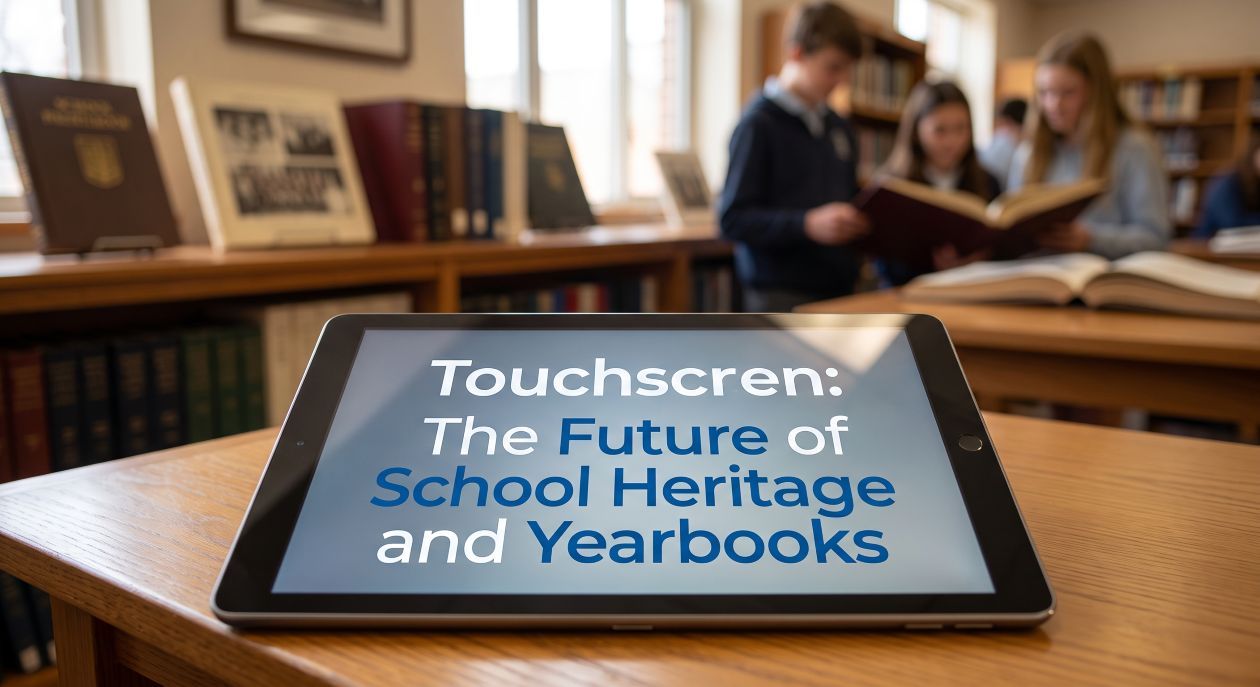
Preserving school history has evolved far beyond dusty storage rooms and fragile print collections. Decades of student achievements, athletic milestones, and community traditions are locked inside physical yearbooks that inevitably suffer from page yellowing, spine damage, and limited physical access.
Educational institutions today are shifting toward comprehensive digital archives. Modernizing these collections protects irreplaceable historical records from physical decay while opening access to alumni, researchers, and supporters worldwide. Whether an organization is looking to locate historical volumes or upgrade its own histo
rical assets, understanding how digital yearbook platforms operate is essential to building an engaging, lasting heritage system.
The Digital Yearbook Landscape
Yearbook preservation has undergone a major shift over the past decade. Digitization expands access to graduates who live far from their alma mater, while protecting the only surviving copies of historic print volumes.
Digitization Across Different Eras
Institutional archives generally fall into distinct categories based on publication era:
- Recent Volumes (Past 10–15 Years): Most modern collections exist in native digital formats or were digitized shortly after publication, making them the most widely accessible records.
- Mid-Period Volumes (15–40 Years Ago): These records show moderate availability. Many institutions have begun back-scanning these collections during milestone anniversaries or reunion campaigns.
- Historical Volumes (40+ Years Ago): These physical copies face the highest risk of degradation. While fragile, they represent the most requested assets for heritage projects, genealogy research, and historical exhibits.
Common Digital Access Formats
Institutions typically offer access to school yearbooks through a few primary formats:
- Page-by-Page Scanned Archives: High-resolution scans that mirror the original book layout, often enhanced with optical character recognition (OCR) so visitors can search for specific names, clubs, or activities.
- Curated Digital Selections: Highlight reels, cover galleries, and selected sections published openly to provide snapshots of past eras without publishing complete rosters.
- Interactive Historical Displays: Advanced institutional platforms that transform flat PDF scans into dynamic, interactive touchscreens and cloud-hosted portals. These systems connect yearbook content directly to athletic records, hall of fame inductees, and historical milestones.
How Communities Locate and Access Digital Yearbooks
When graduates, historical societies, or committee planners seek out archival yearbooks online, several core channels provide access.
Official Institutional Repositories
The primary home for any school yearbook collection is the institution itself. Most organizations house these records through:
- Alumni and Heritage Portals: Online hubs where graduates verify their class year to browse digitized volumes, register for reunions, and explore historical photography.
- Campus Media Centers and Archives: Libraries often manage specialized digital repositories that host searchable, full-text collections accessible via remote web portals.
- Dedicated Contact Inquiries: When files are not publicly indexed online to protect privacy, librarians and archival directors frequently fulfill digital copy requests for verified community members.
Public and Regional Libraries
Local library systems are invaluable repositories for educational heritage:
- Local History and Genealogy Collections: Regional libraries frequently digitize local high school and community yearbooks to maintain complete local historical records.
- Statewide Digital Consortia: Many regional library networks unite educational collections under unified, publicly searchable digital catalogs.
- Open Digital Repositories: Large-scale non-profit archival initiatives digitize and host out-of-copyright, historical yearbooks accessible by keyword or year.
Community Crowdsourcing and Shared Networks
When formal digital files are incomplete, grassroots networks often fill the gaps:
- Alumni Reunion Groups: Class committees regularly scan personal copies when preparing milestone reunion presentations, slideshows, and memory books.
- Community Heritage Drives can utilize high school yearbooks for research and engagement. Dedicated volunteers and alumni boards frequently organize scanning drives, pooling physical books from personal bookshelves to create unified digital files for the institution.
Transforming Static Scans into Interactive Heritage Platforms
Simply scanning pages into basic PDF files is only the first step. Forward-thinking institutions are turning these static files into interactive, engaging centerpieces that celebrate school culture and bridge generations.
Interactive Touchscreen Displays
Modern campuses are replacing traditional, crowded trophy cases with interactive digital touchscreens installed in main entryways, athletic concourses, and alumni centers:
- Decades of History at a Touch: Visitors can tap through chronological timelines, open complete yearbooks, and zoom in on high-resolution candid photography.
- Cross-Linked Achievement Records: Interactive systems allow a user to tap an individual’s yearbook photo and instantly view their related athletic records, academic honors, or hall of fame induction profiles from their school yearbooks.
- Space-Saving Continuity: Instead of running out of physical wall space or book storage, a digital display can house an unlimited number of past, present, and future classes within a single sleek display.
Cloud-Based Discovery and Remote Access
The power of an interactive archive should not be confined to physical campus walls. Modern platforms link on-site touch displays directly with responsive web experiences, allowing alumni worldwide to:
- Search for personal records, family members, or classmates by name, graduation year, or activity in the online yearbook database.
- View athletic rosters, theatrical programs, and award recipients alongside their original yearbook features in digitized yearbooks.
- Submit personal stories, updates, or historical corrections through community engagement features related to school yearbooks.
Best Practices for Privacy, Ethics, and Long-Term Preservation
Transitioning physical yearbooks into digital formats requires thoughtful consideration of privacy, rights management, and technical standards.
Balancing Historical Access with Privacy
Yearbooks capture individuals during formative years, making ethical curation essential:
- Access Tiers: Many institutions maintain public access for older historical records (such as volumes published more than twenty or thirty years ago), while reserving recent yearbooks for verified community members behind secure logins.
- Opt-Out Protocols: Responsible archival programs establish straightforward procedures for community members who request the redaction of personal contact details or specific photos from public web listings.
- Appropriate Context for using yearbooks online: Digital systems ensure historical materials are presented within educational and celebratory frameworks rather than commercialized environments.
Technical Digitization Standards
To ensure digital collections remain durable and useful for decades to come, institutions should adhere to proven digitization practices:
- Capture Quality of images in yearbooks is essential for preserving their historical significance. Yearbooks should be scanned at a minimum of 300 to 600 DPI to capture crisp facial detail, small print typography, and candid sports photos without pixelation.
- Full OCR Processing: Applying advanced character recognition during the scanning process ensures every name, caption, team roster, and club list is immediately searchable.
- Non-Destructive Scanning: Fragile bindings require specialized overhead scanners or book cradles to digitize delicate pages without damaging the original physical volume.
- Redundant Cloud Storage: Archives should always be backed up across multiple secure, off-site cloud repositories to guard against data loss, hardware failure, or physical facility emergencies.
Maximizing the Impact of Your Digitized Collections
Once an institutional archive is successfully digitized and organized, it becomes a powerful asset across multiple departments:
- Milestone Reunions: Organizers can pull authentic vintage graphics, class superlatives, and candid shots from high school yearbooks to produce nostalgic reunion displays, name badges, and event programs.
- Donor and Community Engagement: Showcasing a continuous tradition of excellence builds deep emotional connections with potential benefactors and alumni supporters.
- Curriculum and Historical Research using digitizing yearbooks: Social studies, journalism, and history classes can analyze digitized yearbooks to examine evolving educational trends, architectural changes, and local cultural history.
Elevate Your Institutional History
Transforming historic yearbooks into vibrant, interactive digital archives preserves the stories, traditions, and achievements that define an educational community. Moving beyond static digital files creates an accessible, lasting celebration of institutional pride that connects current students with generations of alumni.
Explore interactive digital yearbook solutions to bring your institution’s heritage into the digital age.