The Ultimate Guide to Digitizing Your School Yearbooks
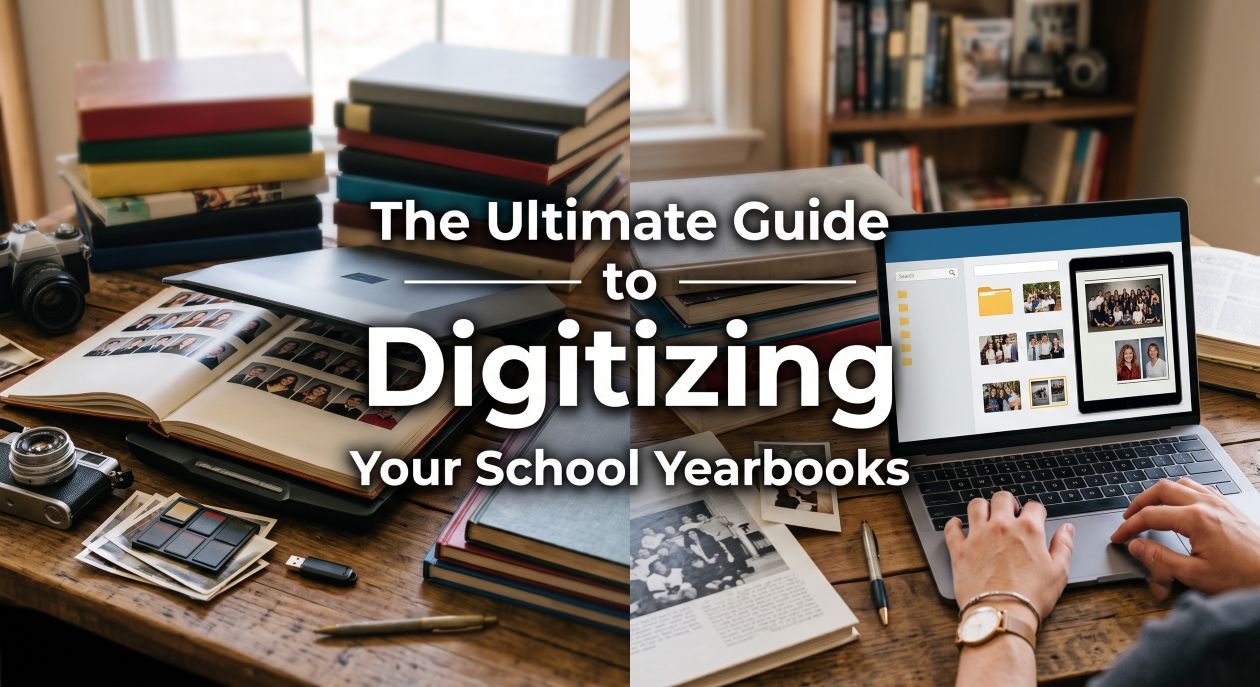
Yearbooks capture the essence of our shared school years, acting as historical records and offering a personal perspective on the past. But as time goes on, an old yearbook can degrade, fade, or become lost entirely. To ensure these pieces of history survive, educational institutions are increasingly looking to digitize their collections.
Digitization is not just about safeguarding fragile paper; it’s about transforming how a community interacts with its history. Converting physical yearbooks into digital copies makes access to the rich history easier for a curious alumnus, a prospective donor, or current students. By exploring a professional yearbook scanning service, you can transition your original yearbook collection into the digital age and bring those memories back to life on interactive, modern platforms.
The Yearbook Digitization Process for Educational Institutions
Why digitize your yearbooks? Digitizing yearbooks is a bridge connecting past and present. A comprehensive yearbook digitization project turns physical yearbooks into fully searchable digital archives created for long-term preservation and instant online access.
- Genealogy and History: Yearbooks offer unique insights for families researching their roots. Older yearbooks may contain photos, quotes, and stories contributed by students that exist nowhere else.
- Alumni Engagement: Digital access helps reunion committees and alumni easily connect with their past. A digital yearbook fosters school pride and makes it incredibly easy to share memories across generations.
- Interactive Engagement: Modernizing your yearbook content means you can turn static archives into dynamic experiences. Rather than locking books in school libraries, digital files allow schools to display years of yearbooks on interactive touchscreens, creating an engaging digital wall of fame that anyone can browse.
Archival Bound Book Scanning for High School Yearbooks
Choosing the right method to scan your books is crucial. The ultimate goal is to generate high-resolution digital files without damaging the original yearbook. If you are wondering how to scan a yearbook safely, here are the core elements to look for:
- Non-Destructive Scanning Methods: Preserving the bound book is usually the top priority for schools. For this reason, non destructive book scanning is the preferred method. Professional digitization services use specialized book scanners with overhead cameras to capture yearbook pages safely. This ensures yearbooks remain completely intact while yielding exceptional results.
- High-Resolution Output: The quality of digitization matters immensely. When figuring out the best resolution to scan photos for yearbook preservation, experts recommend capturing images at high scanning resolution (such as 8 bits per channel or higher for vibrant color, and crisp contrasts for black-and-white yearbooks). High-resolution scanning ensures that no handwritten note or tiny background detail is lost.
- Fully Searchable Text: Using Optical Character Recognition (OCR) transforms static yearbook images into a fully searchable PDF format. Searchability means you can find a specific name, club, or event in seconds, dramatically improving accessibility for anyone browsing the digital files.
Planning Your Yearbook Digitization Project
If you want to digitize yearbooks, understanding the different approaches to the digitization process is important. The best way to scan depends on your budget, timeline, and whether you need to preserve the physical books.
- Flatbed Scanner: This can be used for a small, DIY yearbook digitization project. However, pressing a bound book flat against glass can damage fragile spines, and the process is incredibly time-consuming.
- Dedicated Book Scanners: The best choice for preserving an old yearbook. The equipment hovers over the pages, protecting the spine while capturing high-quality images.
- The Unbinding Method: If preserving the physical yearbooks is not required, the spine can be cleanly cut off so pages can be fed through an automatic scanner. This is faster and generally costs less per yearbook, but the original book is destroyed in the process.
When budgeting for professional scanning services, factor in whether you require bound book scanning (which is safer but slightly more labor-intensive) or unbound scanning. Additional services like photo cropping, OCR, and formatting the digitized content for online platforms will also factor into the final cost.
Transforming Yearbooks for Schools into Interactive Memories
The true benefits of digitizing yearbooks go far beyond basic digital storage. With high-quality digital copies, you can transform how your community interacts with its legacy. By taking these digital files and integrating them into interactive touchscreen displays, you bring your history into the hallways of your campus. Visitors, students, and staff can easily swipe through decades of school memories, creating happy nostalgia and a profound sense of belonging.
When sharing these historical records, it is also important for educational institutions to navigate privacy guidelines. Ensure your digital archives and interactive platforms comply with the Family Educational Rights and Privacy Act (FERPA) so that sharing this history for future generations is both safe and responsible.
Ultimately, investing in a yearbook scanning service is an investment in your community's identity. Whether you want to provide secure online access to an alumnus, offer a beautifully digitized PDF to a donor, or transform old yearbooks into engaging touchscreen displays, the right digitization process makes it possible. By capturing high-quality images and prioritizing user-friendly accessibility, you ensure that these cherished pieces of history are never forgotten.